


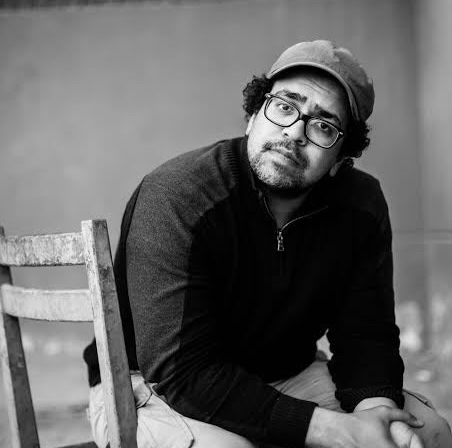
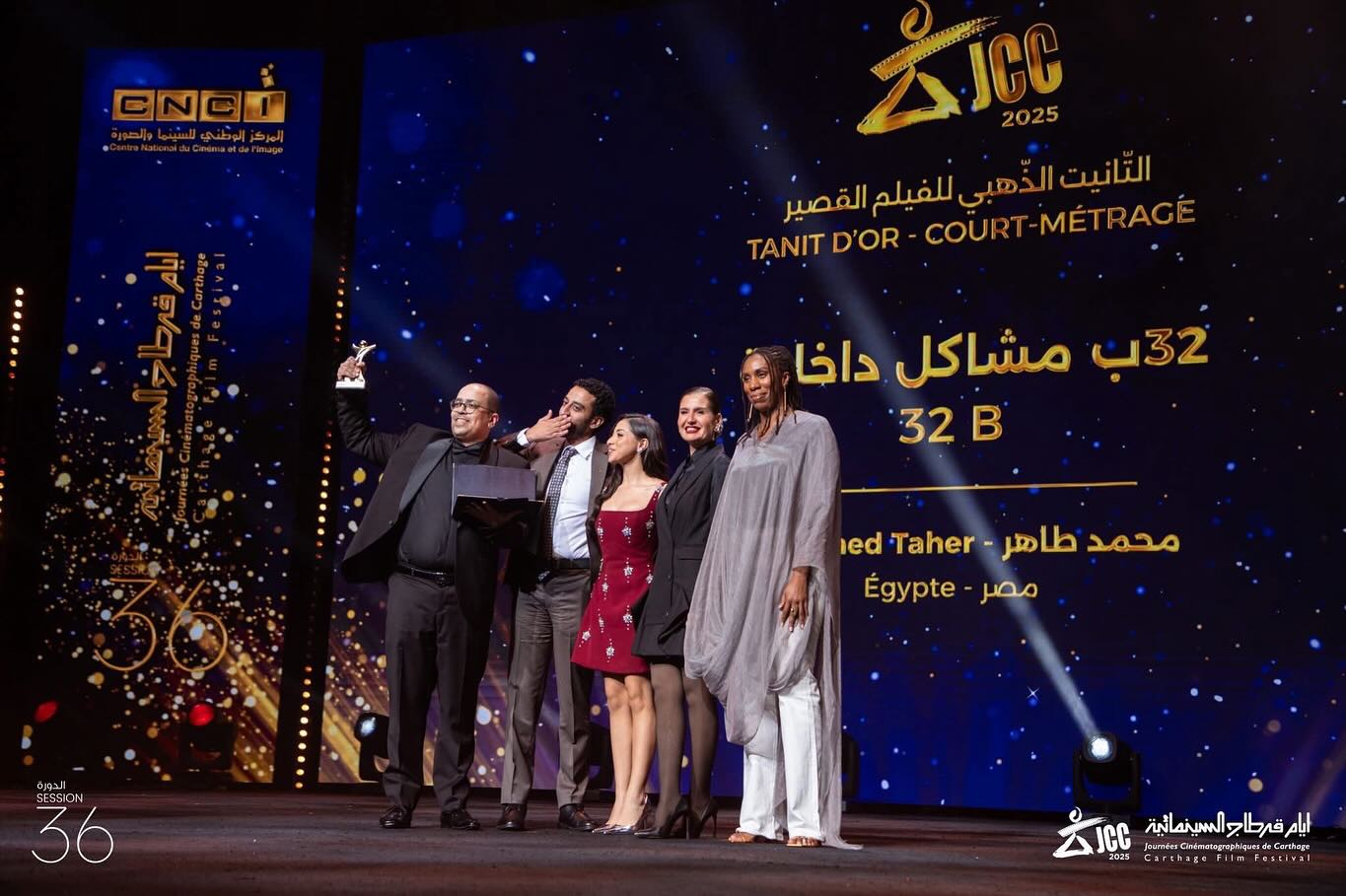
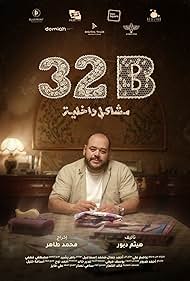
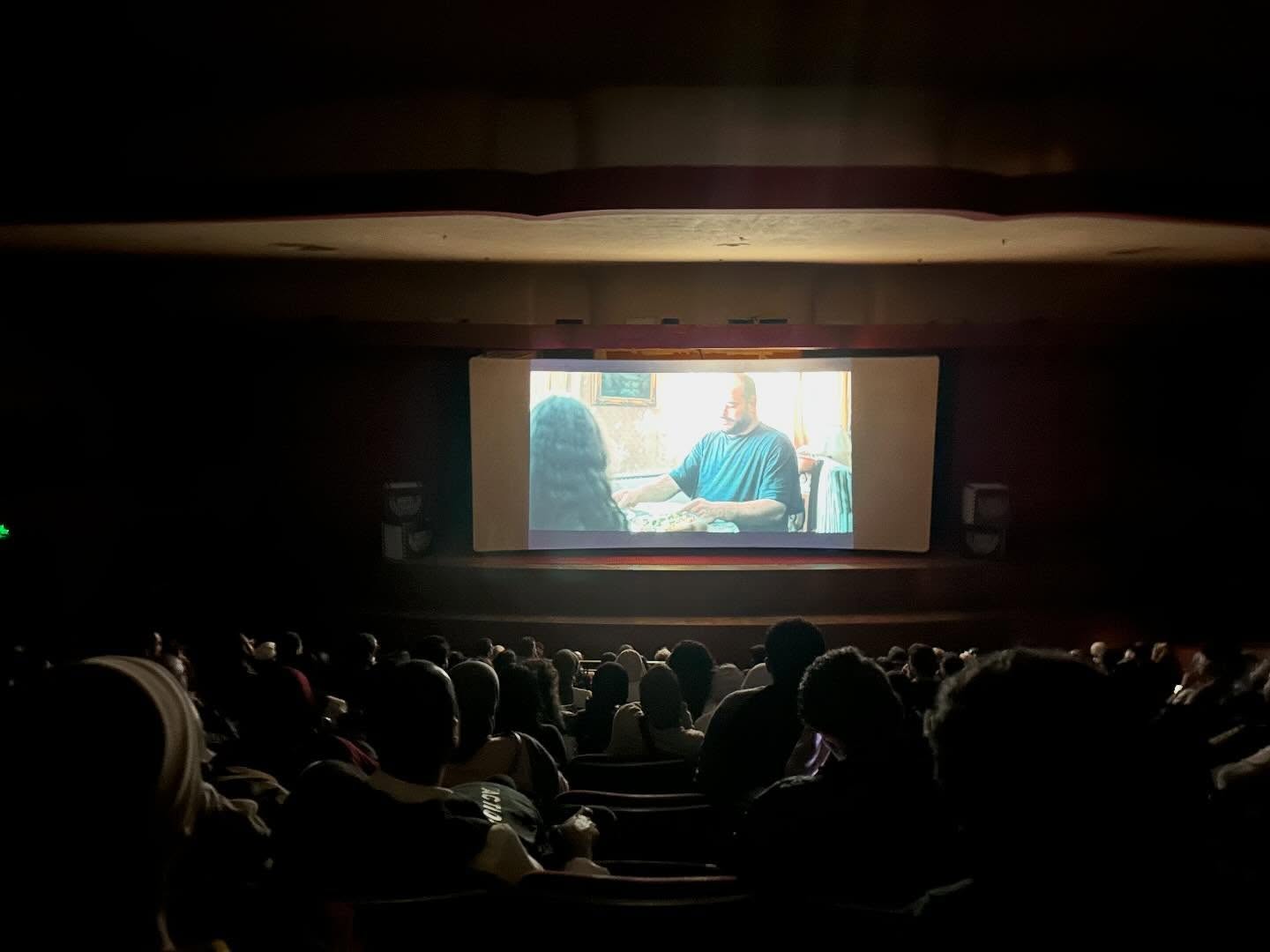
Following the success of 32B, which won the Best Short Narrative Award at the Tribeca Festival, we spoke with the film’s director about the inspiration behind the story, the challenges of recreating Cairo in 2005, and what comes next in his career.
First of all, congratulations on winning the Best Short Narrative Award at the Tribeca Festival. What does this recognition mean to you, both personally and professionally?
Mohamed Taher: Thank you so much. It feels incredible to receive this award from Tribeca because it means a lot to me and to the entire team behind 32B. We’ve won several awards in the MENA region, but being recognized by such a major international festival reinforces our belief that this story is universal. It shows that the emotions and themes resonate with audiences around the world. On a personal level, it’s also a huge boost for my career. As I’m just beginning my journey as a director, this kind of recognition gives me confidence to continue telling stories that matter.
The story focuses on the relationship between a father and his daughter. What first drew you to this story, and why did you want to explore it through that relationship?
Mohamed Taher: The screenplay was written by my friend Haytham Dabour. When he first sent it to me, I immediately connected with it because the characters felt incredibly real. Although it’s specifically about a father and daughter, what truly resonated with me was the idea of unspoken conversations within families—something that’s very common in Egypt and across the Arab world. I could recognize these characters in people I know, in friends, and in everyday life. That authenticity was what inspired me to direct the film.
The film is set in Cairo in 2005. Why was that specific time period important for the story?
Mohamed Taher: Setting the film in 2005 made the characters’ struggle much more difficult. Today, if someone has a question or faces a personal issue, they can easily search online, use social media, or even ask ChatGPT. Information is everywhere. Back then, none of those resources existed. Communication wasn’t as easy, and the daughter couldn’t simply look things up on the internet. We chose that period because it heightened the emotional tension and made the situation much more challenging for both the father and his daughter.
One of the film’s greatest strengths is the balance between humor and vulnerability. How did you approach that balance as a director?
Mohamed Taher: We wanted the humor to come naturally from the seriousness of the situation. It’s not that the situation itself is funny—it’s awkward. That awkwardness creates moments that audiences can laugh at while still feeling the emotional weight behind them. Our actors did an amazing job delivering the dialogue in a subtle and truthful way. Their performances created that fine balance between comedy and drama. We spent a lot of time thinking about that tone because it’s a very thin line, but I believe the sincerity of the performances made it work.
What were the biggest challenges in bringing 32B to life?
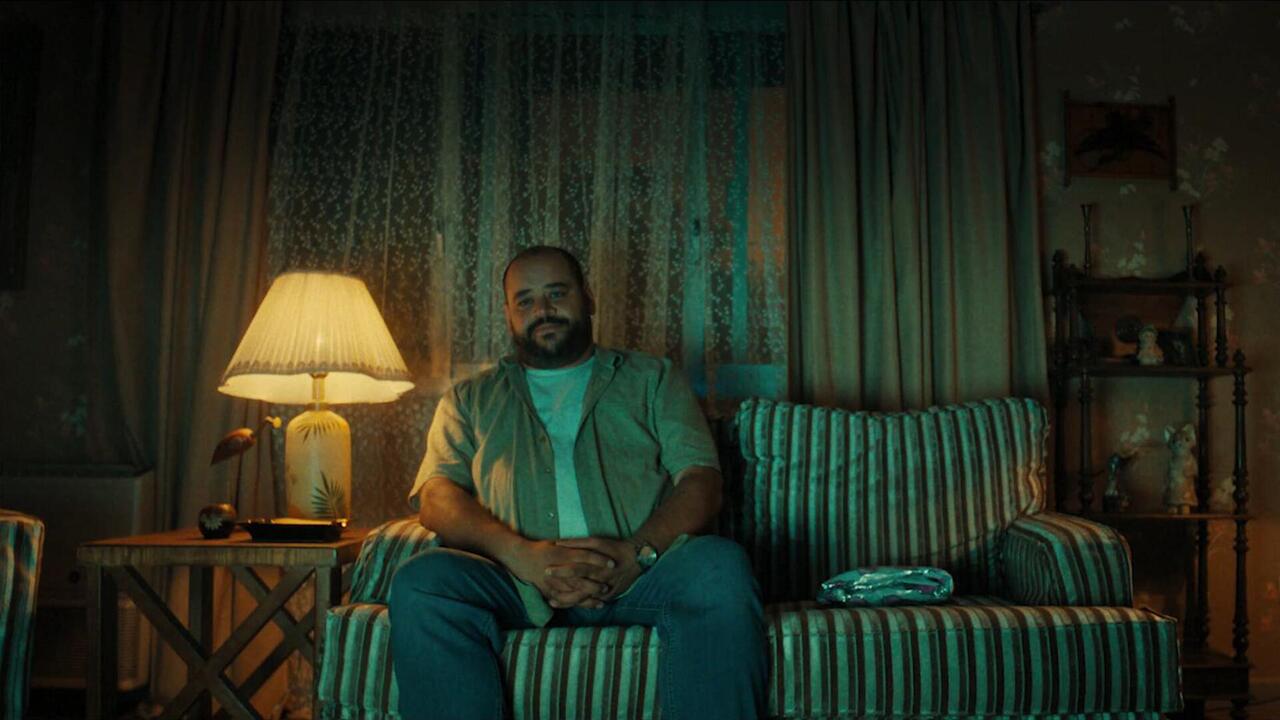
Mohamed Taher: Financing was our first major obstacle. We originally hoped to make the film two or three years earlier, but we had to postpone production until we secured funding. Once we started filming, recreating Cairo in 2005 became one of our biggest challenges. The city has changed so much over the years. Many buildings have been renovated, the streets are filled with modern cars, and even the architecture looks different. We had to carefully avoid anything that would break the illusion of the time period. Another challenge was working with such talented professional actors. They all had very busy schedules, so we had to shoot the entire film in just two days. Even finding the lingerie shop featured in the film was difficult because those kinds of stores are rare today in Egypt. Most have moved into shopping malls, so we found an older location and completely redesigned it to look like it belonged in 2005. Our production designer, Ali Osama Ali, did an incredible job making that happen. Despite all the challenges, I learned so much from the experience.
Did you have to cut any scenes because recreating 2005 Cairo was so difficult, or did you plan around those challenges from the beginning?
Mohamed Taher: No, we didn’t have to cut any scenes. Everything you see in the film was already in the script from the beginning. We actually added a few lines during rehearsals near the end of filming because we felt those moments could benefit from a little more dialogue. Sometimes, when you’re working with the actors on set, you discover something that improves the scene naturally.
 So those additions came while you were filming?
Mohamed Taher: Yes, exactly. We made those changes during production. It’s important to stay open to new ideas if they make the story stronger.
Before directing 32B, you worked on many Egyptian films and television productions. What is the biggest lesson you’ve carried with you into your own work as a director?
Mohamed Taher: Without a doubt, it’s preparation. Pre-production is everything in filmmaking. The more time and effort you invest before filming begins, the smoother the entire process becomes. It doesn’t mean there won’t be challenges, but good preparation allows you to anticipate problems, think through different possibilities, and make better creative decisions once you’re on set. For me, preparation is the foundation of directing.
Do you still work with the same team you’ve collaborated with over the years?
Mohamed Taher: Yes, I do. When I worked as a first assistant director, I built a strong relationship with the assistant directing team, and we’ve continued working together ever since. I’m really proud that we’ve stayed together throughout the years because we’ve developed a shared understanding of how we work. That kind of trust is incredibly valuable on a film set.
What was the first film you worked on as an assistant director?
Mohamed Taher: The first feature I worked on was Nawara in 2014. That was my first experience as an assistant director, and it really shaped my career. Looking back now, it’s amazing to realize how much I’ve learned over the past twelve years.
Aside from 32B, which project are you most proud of?
Mohamed Taher: That’s actually a difficult question because there are several projects that mean a lot to me. I’ve worked for many years with my friend and mentor, Karim El Shenawy. He’s one of the directors who taught me the most, and I’ve loved nearly every project we’ve worked on together. Most recently, I was the second unit director on his television series Lam Shamseya. I’m incredibly proud to have been part of that production because it connected with audiences throughout the Arab world. I’m also very proud of working on his first feature film, Gunshot. At the time, it explored a genre that was still relatively new in Egyptian cinema, so it felt exciting to be part of something fresh and different. Working as the first assistant director on that film was a major milestone in my career. Overall, my collaborations with Karim have taught me a great deal and helped shape the filmmaker I am today.
Looking ahead, where do you see yourself in five years? What kinds of stories do you hope to tell?
Mohamed Taher: I hope I can continue telling stories that come from real life. I’d love to explore different genres, but regardless of whether it’s drama, comedy, thriller, or something else, I always want my films to feel grounded in reality. I want audiences to recognize themselves in the characters and connect emotionally with what they’re watching. That’s the kind of filmmaker I hope to become over the next few years.
I think that’s one of the reasons 32B has resonated with audiences around the world. Even though it’s a very specific story, the relationship between a father and his daughter feels universal.
Mohamed Taher: Yes, I completely agree. Family relationships are something everyone can understand, no matter where they’re from. Those emotions are universal.
What do you hope audiences take away after watching 32B?
Mohamed Taher: More than anything, I hope people remember the characters. I hope they put themselves in the father’s position and think about how they communicate with their own children—or even with other members of their family. The film is really about the conversations we don’t have, the feelings we don’t express. If watching 32B encourages people to start those conversations at home, then I’ll be very happy. When I watch films myself, the stories that stay with me are the ones that relate to my own life. Those are the films I keep thinking about afterwards, and those are the ones I end up discussing with other people. I hope 32B can have that same effect.
What’s next for you? Are you currently working on any new projects that you can share with us?
Mohamed Taher: I’m currently developing several projects. At the moment, I’m working on two television series and one feature film. I’m not sure which one will move into production first, so it’s difficult to talk about any of them in detail just yet.
 Can you give us a small hint about what they’re about, or is it still too early?
Mohamed Taher: It’s not really a secret. It’s simply that everything is still in development, and I don’t yet know which project will become my next film. I’d rather wait until things are more concrete before speaking publicly about them.
At True Urban Culture, we always ask our guests one final question. What does “true urban culture” mean to you? There’s no right or wrong answer—we’re simply interested in your own interpretation.
Mohamed Taher: That’s an interesting question. For me, true urban culture is about bringing different artistic disciplines together. It’s about integration—finding ways for different forms of art to communicate with one another. For example, film can interact with dance, architecture, music, fashion, or visual art. When these different creative worlds come together, they create something richer and more meaningful. To me, that’s what urban culture represents: a space where different forms of creativity meet and inspire one another.
Before we wrap up, is there anything you’d like to say to our readers that we haven’t covered?
Mohamed Taher: I’d simply like to thank everyone who worked on 32B. I’m incredibly grateful to the entire cast and crew because every single person contributed something important to this film. They supported me throughout the entire journey, and without their dedication, this film wouldn’t have reached the audience it has today. I’m proud of what we created together, and I want them to know how thankful I am for everything they did.
Finally, thank you so much for taking the time to speak with us today. It was a real pleasure learning more about your creative process and the journey behind 32B. We can’t wait to see what you create next.
To keep up with Mohamed Taher’s latest projects and creative journey, follow him on Instagram and explore his filmography on IMDb.
